• About Me
  • Contact Me

Frugal Living

Indulging in life, financially responsible

DIY

Homemade Ice Cream – A Delicious But Not So Frugal Treat

June 15, 2016 by Andrew Leave a Comment

This past Christmas, Shae and I got the KitchenAid Ice Cream Maker attachment as a gift from her parents.  The set consists of a freezer bowl, a churning paddle, some plastic connector bits, and an instructions manual.

In the world of homemade ice cream, there are three methods.

Method 1 – Salt & Ice

This is the tried and true coffee can way of making ice cream.  You pour your cream mixture into a small can, seal it up, then place that small can inside a bigger can packed with ice and salt.  After sealing the bigger can, you (or better yet, your kids) roll the can back and forth across the kitchen floor for 30 minutes until the inside can freezes.

There are more sophisticated setups for salt & ice but they all work the same.  A nice write up on this if you want to try it at home is available here.

Method 2 – The Freezer Bucket

In this method, instead of using ice and salt, you pre-freeze a special mixing bowl that contains blue-ice in the side walls.  These big mixing bowls act like cooler packs that you throw in the freezer before going on a picnic or taking your lunch to work.  The KitchenAid Ice Cream Maker utilizes one of these bowls.  The advantage is that you don’t have to bother with crushing up ice and adding in salt.  The disadvantage is that you need to freeze the bowl overnight in order to get it cold enough to make ice cream.

Method 3 – Compressors

At the very highest end of home ice cream makers are kitchen gadgets that have built in compressors.  These units just plug into the wall and the built in compressor makes the mixing area cold enough to make ice cream.  The advantage is that you don’t have to pre-freeze a bulky bowl.  The disadvantage is price.  Compressor styled ice cream makers range anywhere from $200-600.  Assuming that ingredients are free and you only buy high end $5/quart ice cream.  It would take between 40-120 quarts of ice cream to pay off one of these machines.  As you’ll see further down, ingredients for high quality ice cream are anything but free.

Starting with a Recipe

We followed one of the KitchenAid recipes back in January when we broke in the gizmo.  I don’t think we had our freezer cold enough, because there were a lot of large ice crystals that formed.  This time around, we were better prepared and set our freezer down to the coldest setting.  The faster your ice cream mixture freezes, the smaller the ice crystals will be.  The name of the game becomes, get your cream mixture as close to freezing as possible before starting the churning process.

This time around, we followed this rocky road recipe with some modifications.  We substituted whipping cream in place of the heavy cream and we changed light cream with 2% milk.

With our mixing bowl frozen and the cream mixture thoroughly chilled, we were able to start the churning process.

IMG_6306

Frugal Boy wanted to pour his milk into the bowl as well.  I am not sure if he understood that ice cream comes from dairy, or if he would have just as happily poured in a cup of water.  Either way, I am happy that we can teach him how different foods are made so that he can understand what it is that he is eating and what had to happen in order to make that possible.

When using the KitchenAid, you have to start the mixing paddle before you pour the mixture in otherwise it will freeze to the sides instantly.
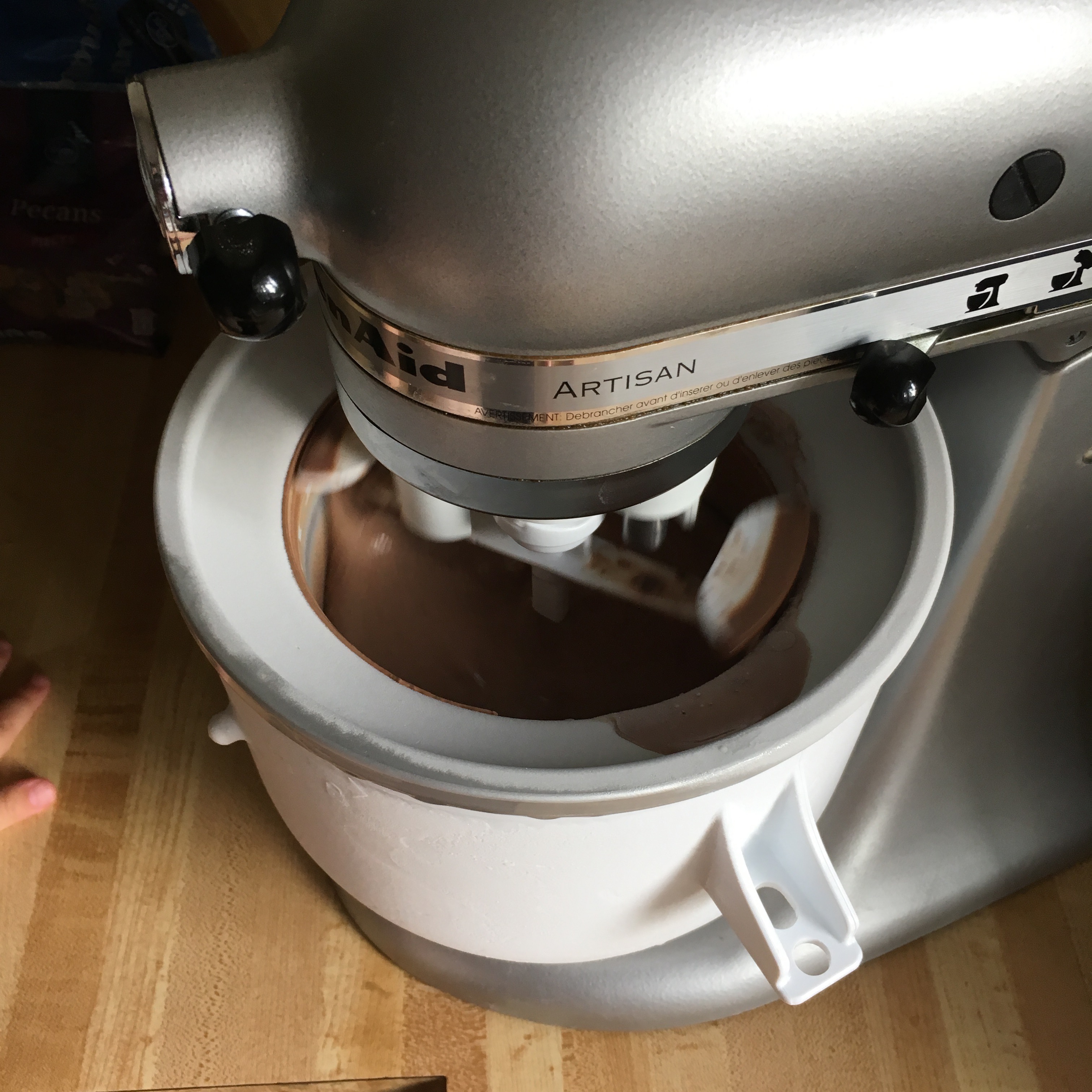
IMG_6308

The paddle is designed to start slipping when the ice cream gets thicker.  This helps to protect the mixers motor from burning out.  At the end of mixing, throw in any add-ons.  For rocky road, that would include mini marshmallows and chunks of pecan.
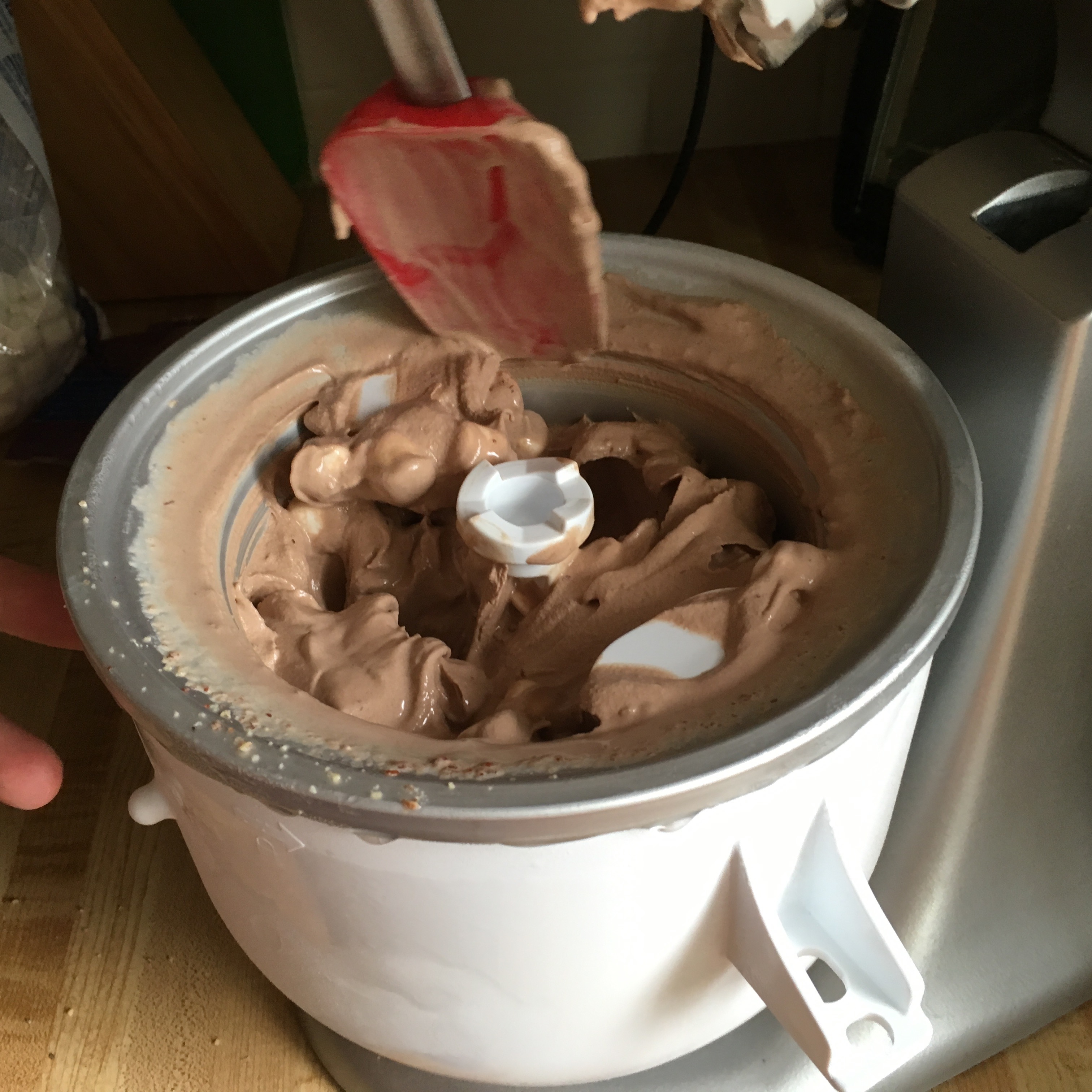
IMG_6309

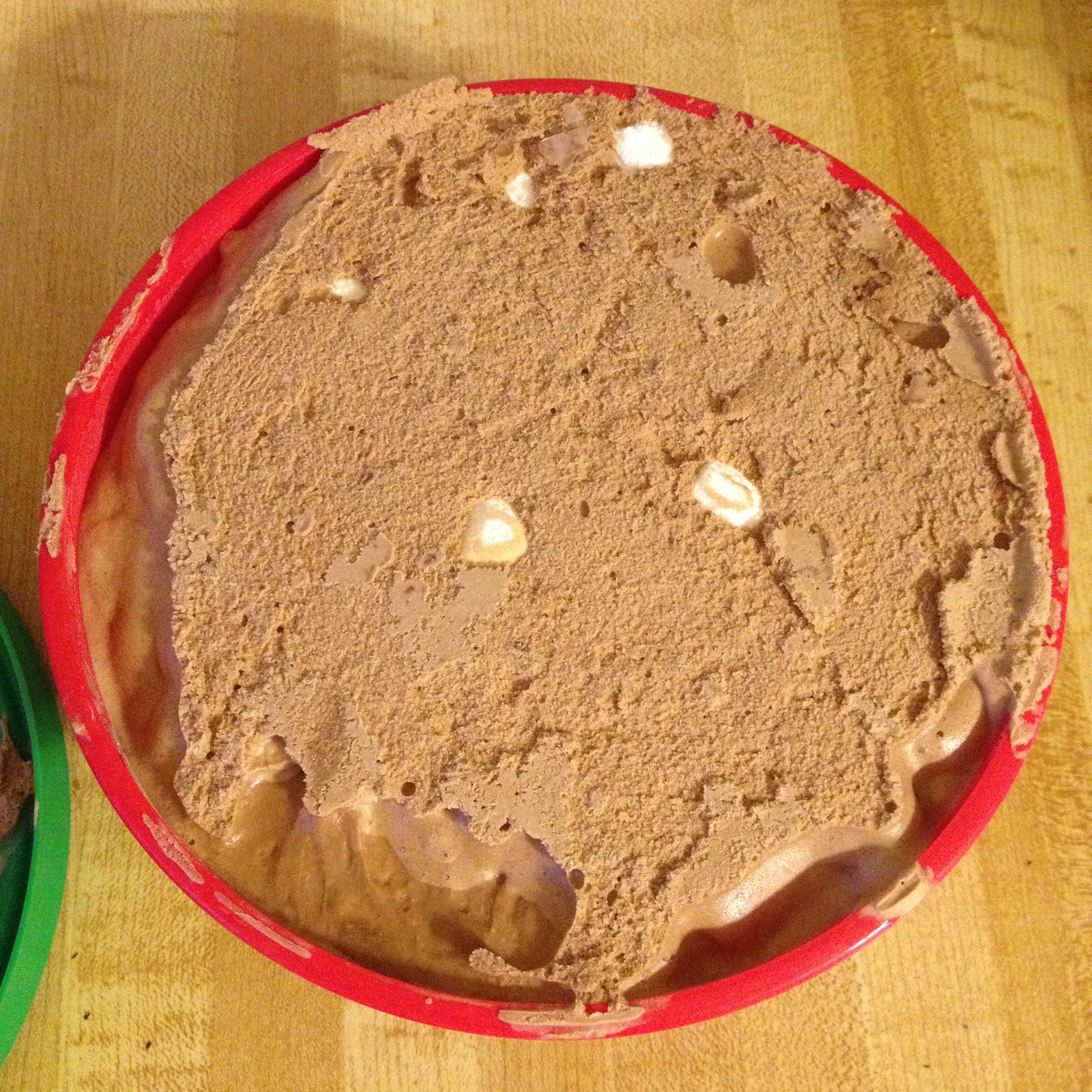
At this stage, the ice cream will have the consistency of soft serve.  You’ll want to ‘ripen’ it by putting the ice cream in the freezer.  Remember that the faster the ice cream freezes, the less ice crystals it will have and the smoother the consistency will be.  We used a shallow plastic tub and that seemed to work quite well.
IMG_9675

The Taste Verdict?

IMG_9679

Yummy.  When properly made, like this batch was, you end up with a really high quality creamy silky smooth ice cream that tastes just like the expensive brands at the supermarket.  The key to a great consistency is to keep everything as cold as possible.  Chill the mixture at the bottom and back of your refrigerator.  Some people even pop it into the freezer for a few minutes before starting the churning.  You really want it to freeze quickly.

The Cost Verdict?

Making ice cream at home is not going to save you money over buying it at the store.  So don’t buy into a system with that delusion.  Even if you use the coffee can method instead of a fancy machine, the fact remains that the raw ingredients are pricey.  A pint of whipping cream will set you back about $2.50.  Add in a 14 oz can of sweetened condensed milk and you are already at $3.50.  Throw in 25¢ of regular milk (a cup or two) and just the base of the ice cream is at $3.75 for 2 quarts.  Mix-ins such as pecans rapidly drive up the price.

What About FroYo?

Shae is the queen at making yogurt.  It is a fairly simple process with one ingredient, milk.  Aldi has been selling milk for under $1/gallon.  I think the last time we went it was 94¢.  One gallon of milk will make half a gallon (two quarts) of strained, thick, greek yogurt.  Most frozen yogurt recipes are pretty simple: yogurt, sugar, a flavoring such as vanilla extract.  Sugar is about 21¢ per cup and that is more than enough for two quarts of greek yogurt.  Vanilla extract is also about 21¢ per tablespoon.  That brings the raw ingredient cost of vanilla froyo to around $1.36 for two quarts.

Have you made ice cream before?  What recipes should we try out?
Posted in: DIY, Frugal Boy, Recipes Tagged: ice cream, summer

Repairing and Replacing Window Screens – A Small Science Experiment With Sun Guard 90

May 25, 2016 by Andrew Leave a Comment

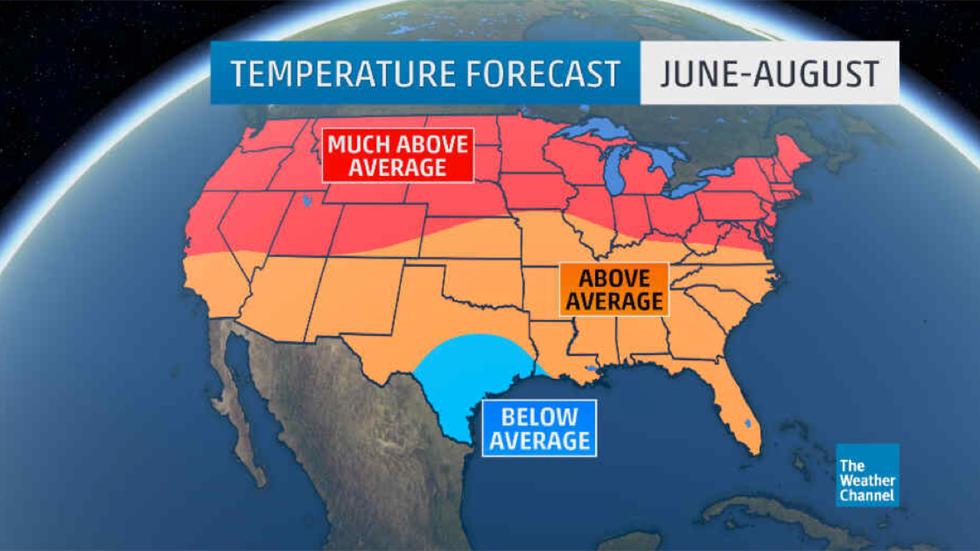
When we bought our house three years ago, we also inherited a basement full of window screens in various states of disrepair.  Each Summer, I dutifully pull them out of storage and put them in place and each Summer there are more left in the basement needing repairs.  This year, I decided it was time to spend a day to fix them all.  If the temperature forecasts for this summer are at all accurate, we are in for a real scorcher season.

wsi_summer

Frequent readers of this blog know that our central AC has never worked.  The condenser outside is an ’84 Sears Kenmore unit.  You can imagine my excitement when I saw a screen material at the home improvement store that claimed to reduce temperatures by blocking sunlight and UV rays.

IMG_9349

Armed with a gift card, I started an experiment to see if this screen material lived up to the hype or not.

Hypothesis

Replacing existing aluminum screening material in a South or West facing window would reduce the temperature recorded inside that window.

Experimental Method

I gathered up the needed materials,

  • New York Wire Sun Guard Charcoal 90 Screening
  • .14 Spline
  • Spline tool
  • Existing South/West facing window
  • Scissors
  • Utility knife

IMG_9348

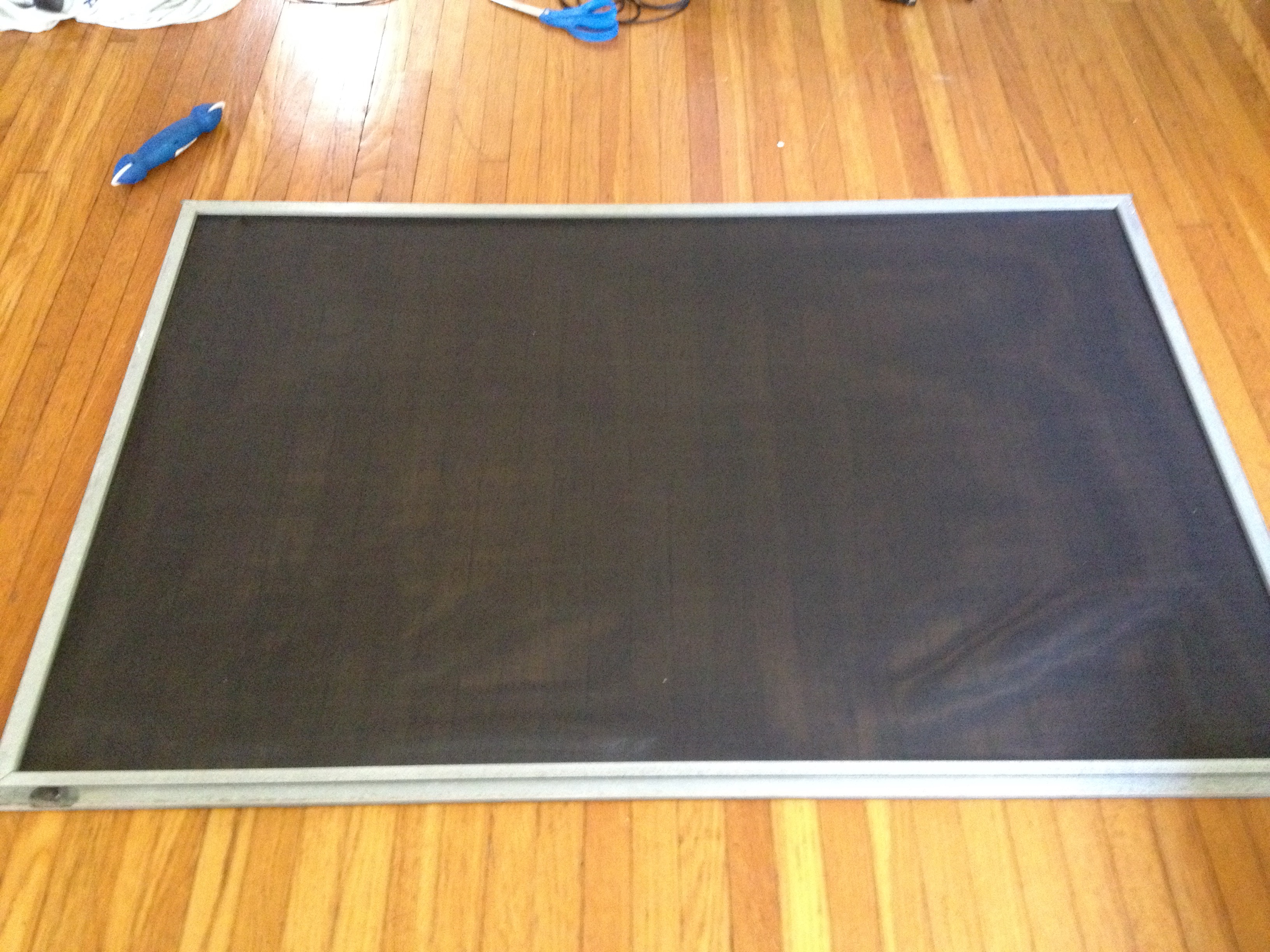
After removing the old spline and screen material, I rolled the new sun guard screen over the frame.

IMG_9350

Then I pressed new spline material into place and cut off the excess screening.  I learned the hard way that it is best to keep the screen material somewhat loose.  Over tightening the screening will bend the frame and it won’t fit right into the window opening.

IMG_9351

With the renovated screen in place for a hour, I then placed a thermometer on the window sill.

IMG_9354

You can see that there is a lot less sunlight behind the renovated screen.

After letting the thermometer settle for five minutes, I took a reading. I then moved the thermometer behind a regular window adjacent to the renovated one.  After five minutes to stabilize, I checked the thermometer again.

IMG_9358IMG_9361

Sun Guard screening recorded at 82° F.  The control window recorded at 90-91° F.

Conclusion

The Sun Guard screening does prevent sunlight from entering the house and helps keep the interior cooler than a regular window.  After seeing these results, I plan on replacing all of the South and West facing screens with this type of material to help keep our house cooler.  I suspect that this type of upgrade would also be beneficial for lowering AC utility bills if you had this type of setup:

outside hot – screens – windows – ac conditioned space.

Posted in: DIY, House Tagged: summer, Utilities, window

Replacing Both Front Wheel Hub Assemblies

May 13, 2016 by Andrew Leave a Comment

Back in October of last year I took our car to a dealership mechanic who moonlighted from his house.  He replaced the original spark plugs on our V6 car and gave me a list of things to keep an eye on.

One of those items was the front passenger wheel hub assembly.  The assembly houses a set of bearings that let your wheel spin around smoothly.  Over time those bearings will get beaten up and pot marked.  Eventually you’ll start to hear a little noise from them while driving, then a lot of noise as the problem gets worse.

On our way back from Blackhawk Springs Forest Preserve, cruising down the interstate at 70 (ish) mph, the passenger front wheel well sounded louder than it should.  I figured it was time to change out that part.

I did a little price shopping and found out the following:

  1. I had a mechanic replace this part on a different car to the tune of $270.  They just did one wheel.
  2. RockAuto.com, my usual favorite, was not the cheapest for an OEM quality part (approximately $100).
    1. RockAuto had some parts listed at a mere $30.  Yikes!
  3. Amazon had the cheapest OEM quality part with free shipping.

I went ahead and ordered two hubs so I could replace the front driver and passenger sides at the same time.  I like to replace parts in pairs.  If one side of a symmetrical system is causing problems, it stands to reason that the other side is deteriorating as well.

The total cost was $206.

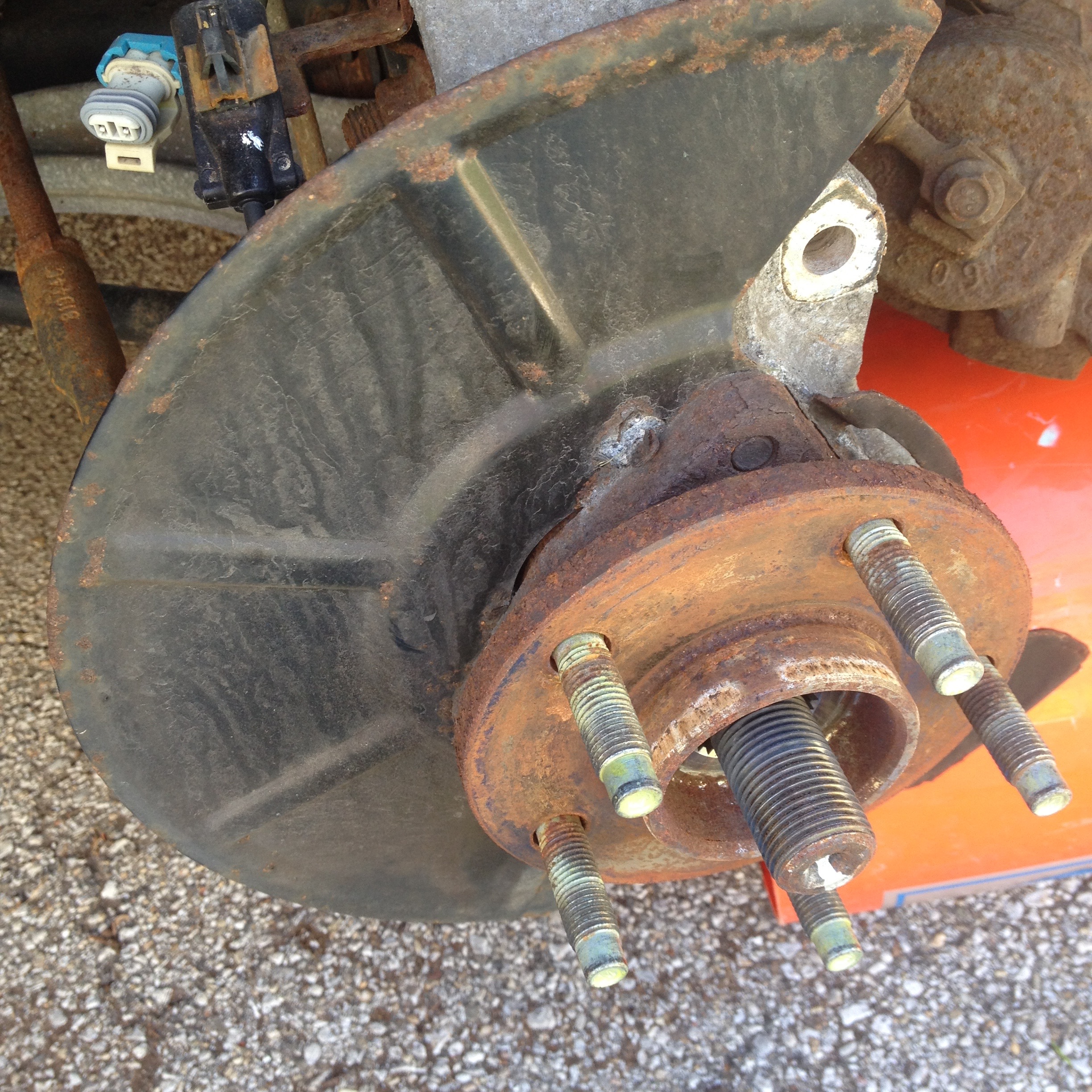
Jacking up the front end of the car and removing the wheel, axle nut, and disk brakes revealed the hub assembly.

IMG_9312

The big center bolt is the drive axle.  There is a black half moon shaped piece and that is the brake dust cover.  The light blue electrical connector in the top left corner is the ABS sensor harness.  The wheel hub assembly is the orange rusty looking part with the 5 bolts sticking out of it.

I borrowed a couple of specialty tools from the auto parts store.  One was a 36 mm socket to take off the big axle nut.  The other was this drive axle hub puller doodad.

IMG_9313

It was suppose to pop the wheel assembly hub out from the drive axle by pressing the drive axle in.  In 10 year old car reality however, it didn’t cut the mustard.

After a couple of hours pounding away at the assembly with a 2 lb hammer, and later on with a big cold chisel (meant for masonry), I eventually separated the two rusty parts.

IMG_9314

Above is a picture of the drive axle without the hub assembly.  The little spindle grooves fit into grooves on the assembly.  That is what turns your wheel.

IMG_9315

After wire brushing off a lot of the rust and gunk on the car, the new shiny wheel assembly was ready to go in.  I lathered up the new assembly with anti-seize compound.  In theory, that should prevent the parts from rusting together again and some future car owner will have a much easier time replacing this part.  I also applied dielectric grease to the electrical ABS harness.  All that does is help to keep out moisture because water and electricity should never mix.

Installation is pretty much the reverse.  My Haynes manual listed disassembly as 6 steps.  Youtube videos abound to help fill in the details.

The first side took 3.5 hours.  The other side took 1.5 hours once I knew the secret of cold chiseling.  Mechanics bill would have been $540 ($270 x 2).  My parts cost was $206, so my labor cost was $334 or $66.80/hr.  That seems more than worth it to me!

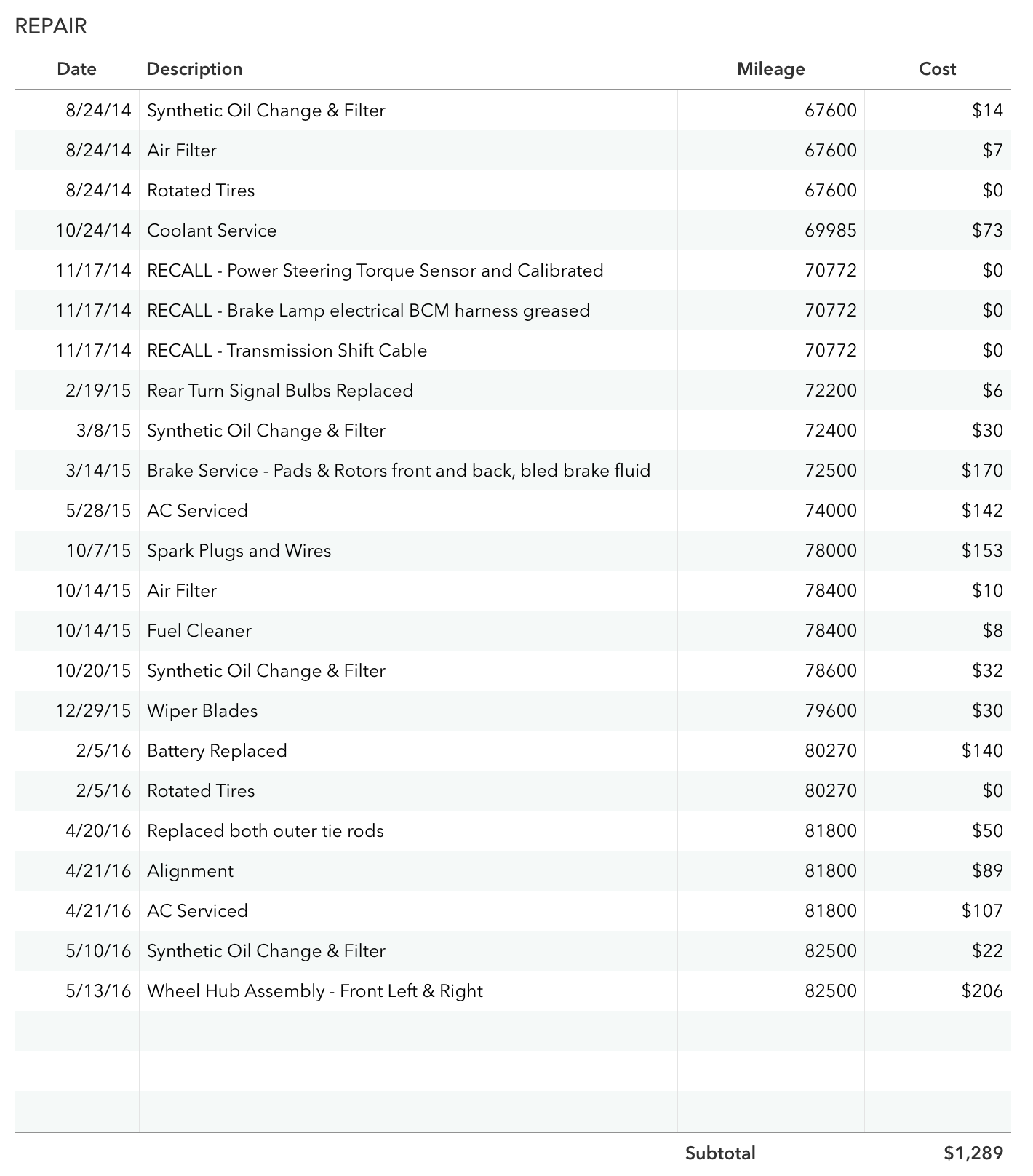
I have been keeping a spreadsheet repair log for this car since late 2014.  To date, we have spent $1289 in maintenance on our 2006 Pontiac G6.  It helps that we are a below average mileage family.

Screen Shot 2016-05-13 at 7.51.35 PM

Posted in: DIY Tagged: Car

Building an Outdoor Garden Stool

April 30, 2016 by Andrew Leave a Comment

IMG_9248

Shae and I really like our raised garden beds.  They keep the rabbits out of our produce, and are dead simple to weed.  Our vertically challenged son however has been missing out on the action, so last night I whipped together a simple outdoor garden stool.

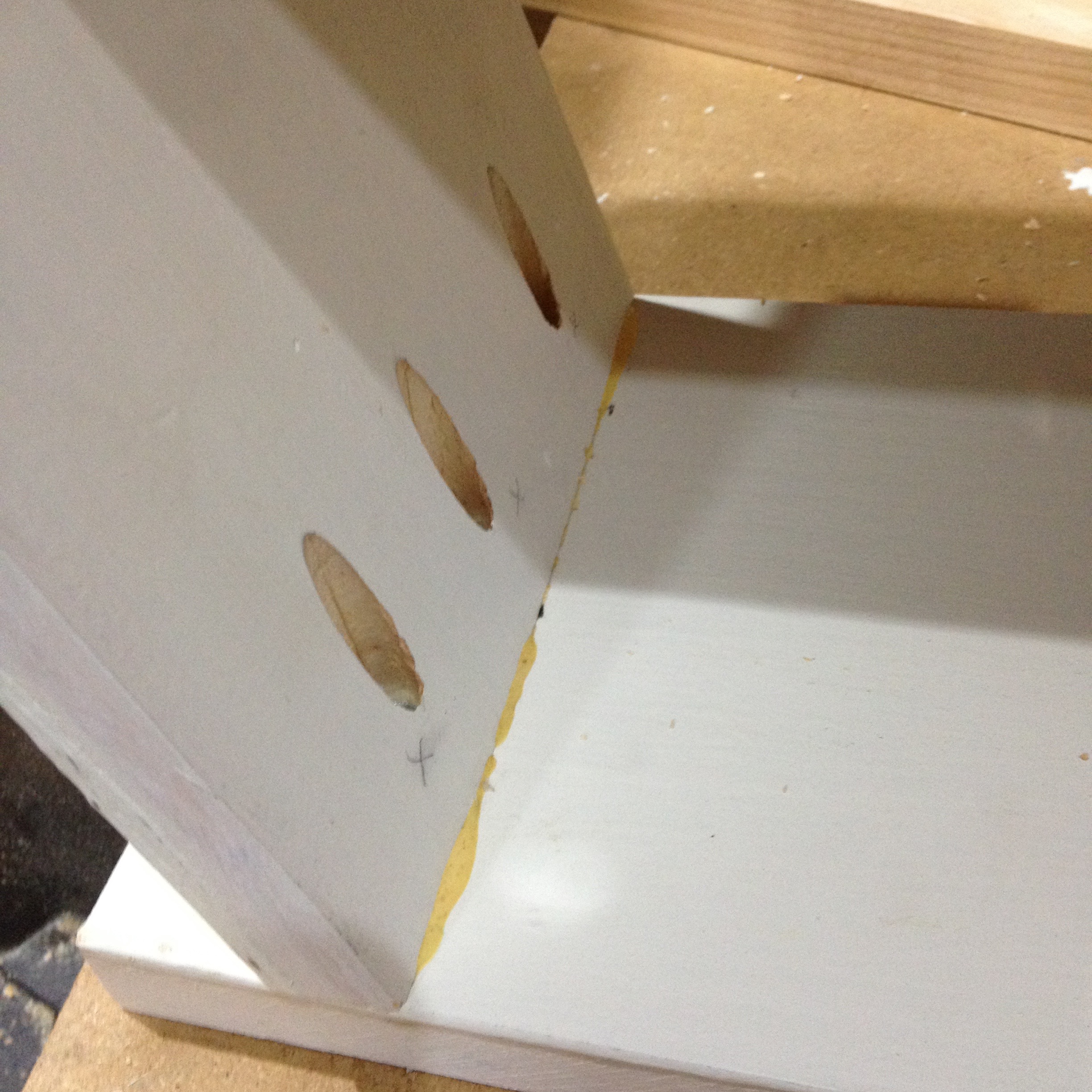
The stool is just made up of scrap wood that I had lying around the garage.  I made the step 14″ wide, and the legs are at a 15° angle.  Pocket screws and wood glue hold the legs on.

IMG_9263

After letting Frugal Boy try it out, I added a couple of 1x stabilizers to help prevent it from rocking back and forth.  They are held on just by wood glue.

IMG_9262

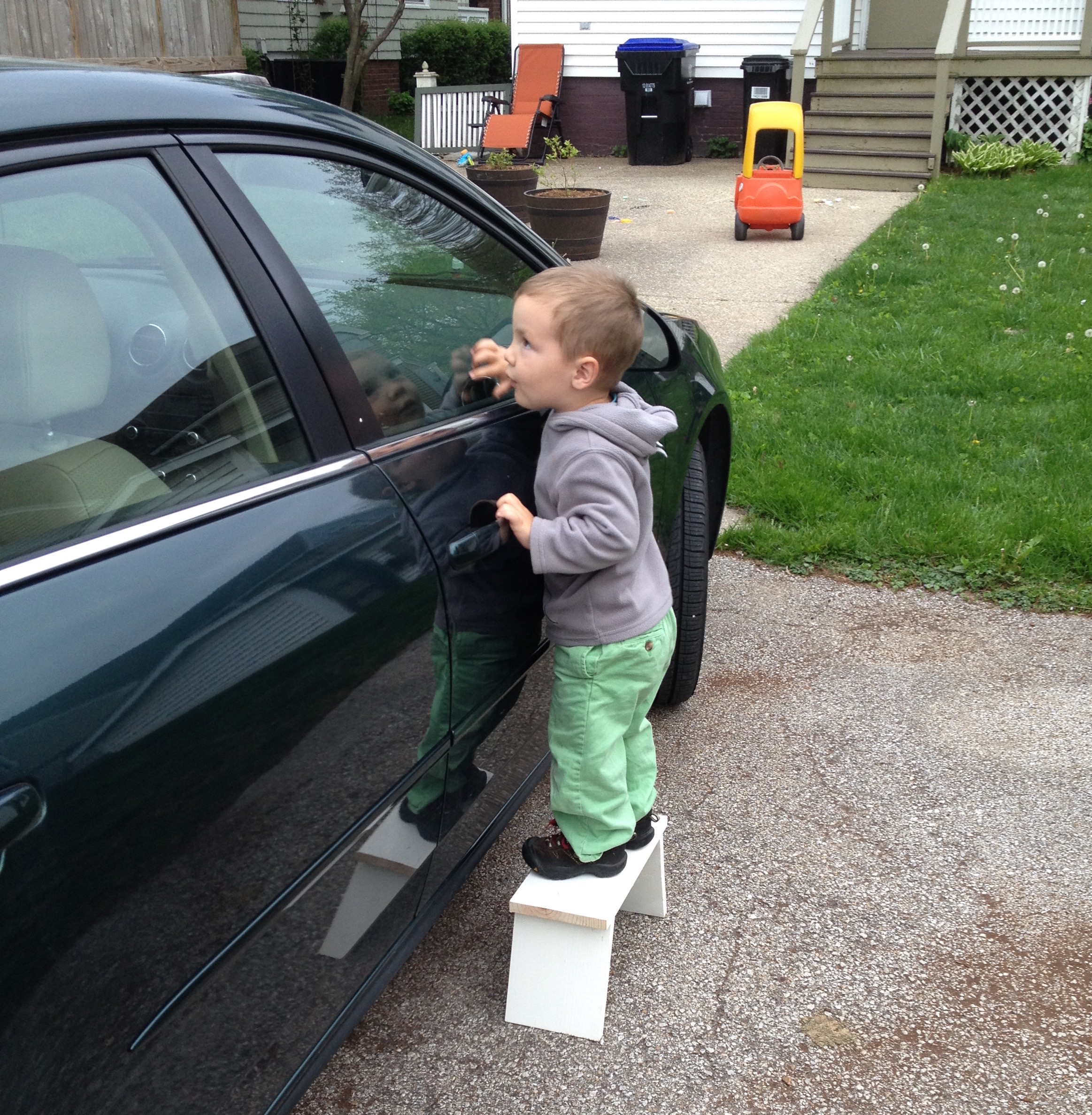
Frugal Boy can now see into things that were 7″ out of reach before.  Like the car windows.

IMG_9251

And the car mirror.

IMG_9254

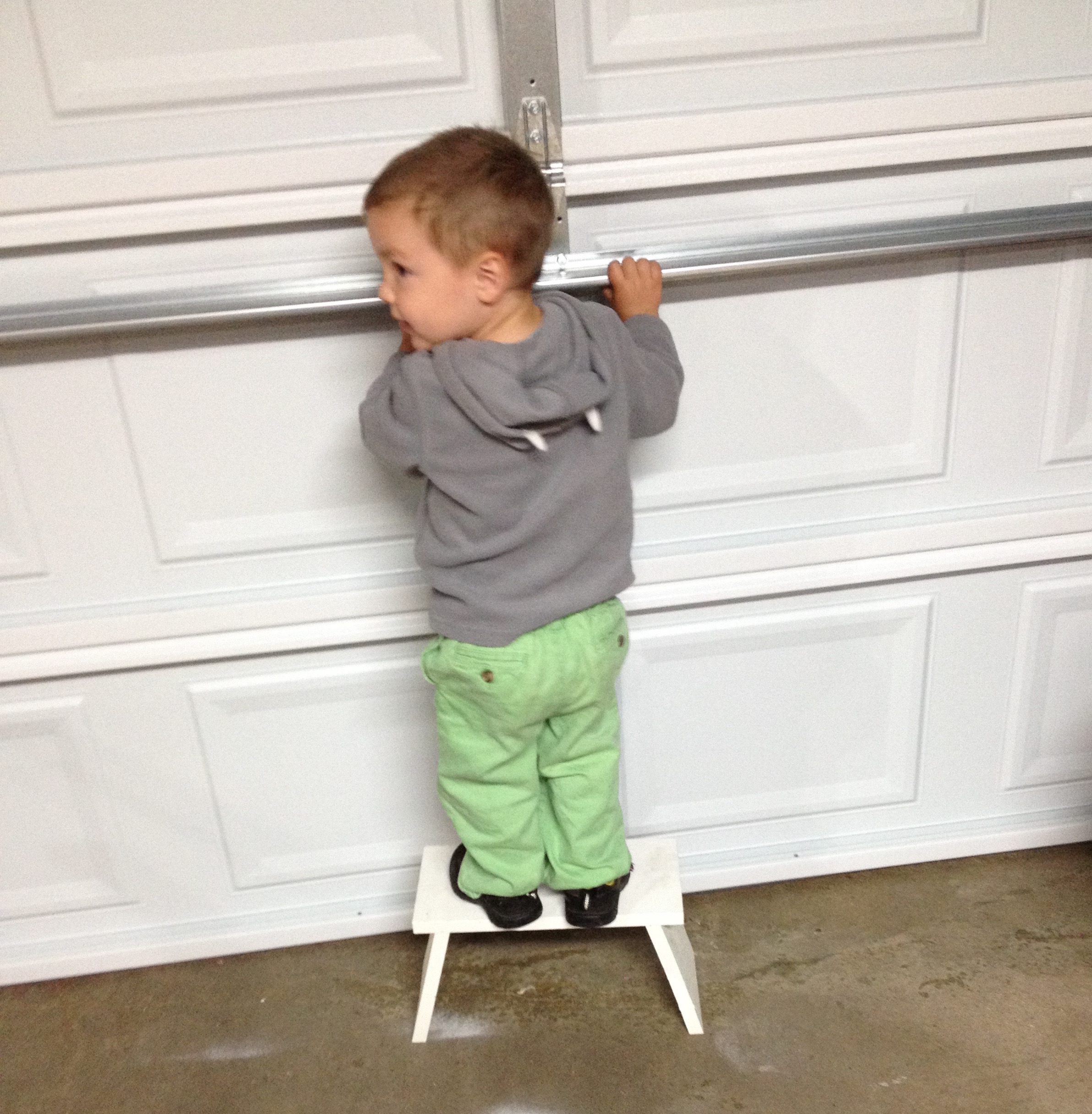
And the support strut of the garage door.

IMG_9255

And the workbench in the garage.

IMG_9258

He loves his little outdoor stool and it was super easy to make!

IMG_9250

Posted in: DIY, Frugal Boy Tagged: Backyard, woodworking

Playing with Fire

April 20, 2016 by Andrew Leave a Comment

Back in March I took our car into the mechanic to have a flat tire patched.  He noticed that the passenger side outer tie rod was nearing end of life and recommended that I replace it.  Of course, he was happy to do the work for me for a steep up-charge on parts and $100/hr labor.  I politely declined and went home to order the parts.

I have replaced tie rods before on a different car, see here for that adventure.  This time around, I wasn’t going to mess with the inner tie rods.  I figured it was about an hour job.  Sadly, I was woefully incorrect.

IMG_9220

After getting the wheel off, I could see that the passenger side outer tie rod was in poor shape.  The protective rubber boot had torn on the other side and most of the grease had leaked out.  The castle nut holding the tie rod to the wheel assembly just spun when I tried to loosen it.  It was spinning because it is attached to a ball joint.  Normally, mechanics will use a tool called a pickle fork to apply pressure to the joint so it won’t spin.  I don’t have that tool, so I ended up just cutting through the metal.

The next challenge was loosening up the lock nut between the inner and outer tie rods.  This lock nut is used as an adjustment when your car gets aligned.  After pouring a river of penetrating oil on it and adding as much muscle as I could muster, I eventually conceded that only fire would get the job done.

IMG_9221

It took about 3 minutes of blasting it with the propane torch before I was able to wrench the nut free from its rusty prison.  With that done, the outer tie rod threaded off easy peasy.

I used the same procedure on the driver’s side.  The mechanic said only the passenger needed replacing, but seeing as you have to get an alignment after this job, it makes sense to get them both done at the same time.  While the driver’s side was in better shape, I could see some obvious signs of rubber fatigue in the boot.  It was also on the way out.

IMG_9225

The easy part is putting everything back together.

IMG_9222

I bought both tie rod ends off Rock Auto for $50 with shipping and tax.  Installation took about 4 hours, 3 for the passenger side, 45 minutes for the driver side, plus cleanup.  The mechanic wanted $50 for just the passenger side and another $80 in labor.  If I break down my cost to better match apples to apples, then mine would have been $25 in parts (one side) + 2 hours in labor (average per side).  That would make my hourly rate $52.50/hr.  Not too shabby.

Even with stubborn rusted on parts, it still was worth DIY’ing this project.

Posted in: DIY Tagged: Car
« Previous 1 … 6 7 8 … 17 Next »

Recent Posts

  • Min/Maxing Car Sale for Highest Value and Lowest Headache
  • Buying a Car with Data Driven Decision Making
  • Hot Lunch
  • Baking with Dad
  • Winter Nights

Financial Goals

Recent Comments

  • suwaidi online on Building a New Desktop Computer
  • James Spurr on Building a Self Watering Raised Garden Bed
  • suwaidi online on Total Cost of Ownership – Inkjet vs Laser Printers
  • bcimechanical on Troubleshooting a Gas Furnace
  • g on Troubleshooting a Leaking Whirlpool Dishwasher [UPDATED]

Archives

  • December 2020
  • December 2018
  • July 2018
  • May 2018
  • April 2018
  • March 2018
  • February 2018
  • January 2018
  • December 2017
  • November 2017
  • October 2017
  • September 2017
  • August 2017
  • July 2017
  • June 2017
  • May 2017
  • April 2017
  • March 2017
  • February 2017
  • January 2017
  • December 2016
  • November 2016
  • October 2016
  • September 2016
  • August 2016
  • July 2016
  • June 2016
  • May 2016
  • April 2016
  • March 2016
  • February 2016
  • January 2016
  • December 2015
  • November 2015
  • October 2015
  • September 2015
  • August 2015
  • July 2015
  • June 2015
  • May 2015
  • April 2015
  • March 2015
  • February 2015
  • January 2015
  • December 2014
  • November 2014
  • October 2014
  • September 2014
  • August 2014
  • July 2014
  • June 2014
  • May 2014
  • April 2014
  • March 2014
  • February 2014
  • January 2014
  • December 2013
  • November 2013
  • October 2013
  • September 2013
  • August 2013

Categories

  • Business
  • DIY
  • Finance
  • Frugal Boy
  • Frugal Girl
  • House
  • Misc.
  • Parenting
  • Reading
  • Recipes
  • Savings
  • Technology
  • Travel
  • Uncategorized

Meta

  • Log in
  • Entries feed
  • Comments feed
  • WordPress.org

Copyright © 2026 Frugal Living.

Omega WordPress Theme by ThemeHall