Mending in a Throwaway Society

It is no secret that we live in a throwaway society.  Companies spend millions of dollars in advertising to ingrain the habit of discarding old and broken merchandise in favor of new replacements.

Even though our ad consumption is way down (cutting cable TV will have that effect) I still have to consciously consider what to do when something breaks in our household.  This is not a new topic for this blog as I previously wrote about it here (Squeezing Every Penny).

Last week I caught myself again in the consumerist mentality when the bicycle pump broke.  The pump is probably 6-7 years old and is used mostly for inflating car and jogging stroller tires.

IMG_8112

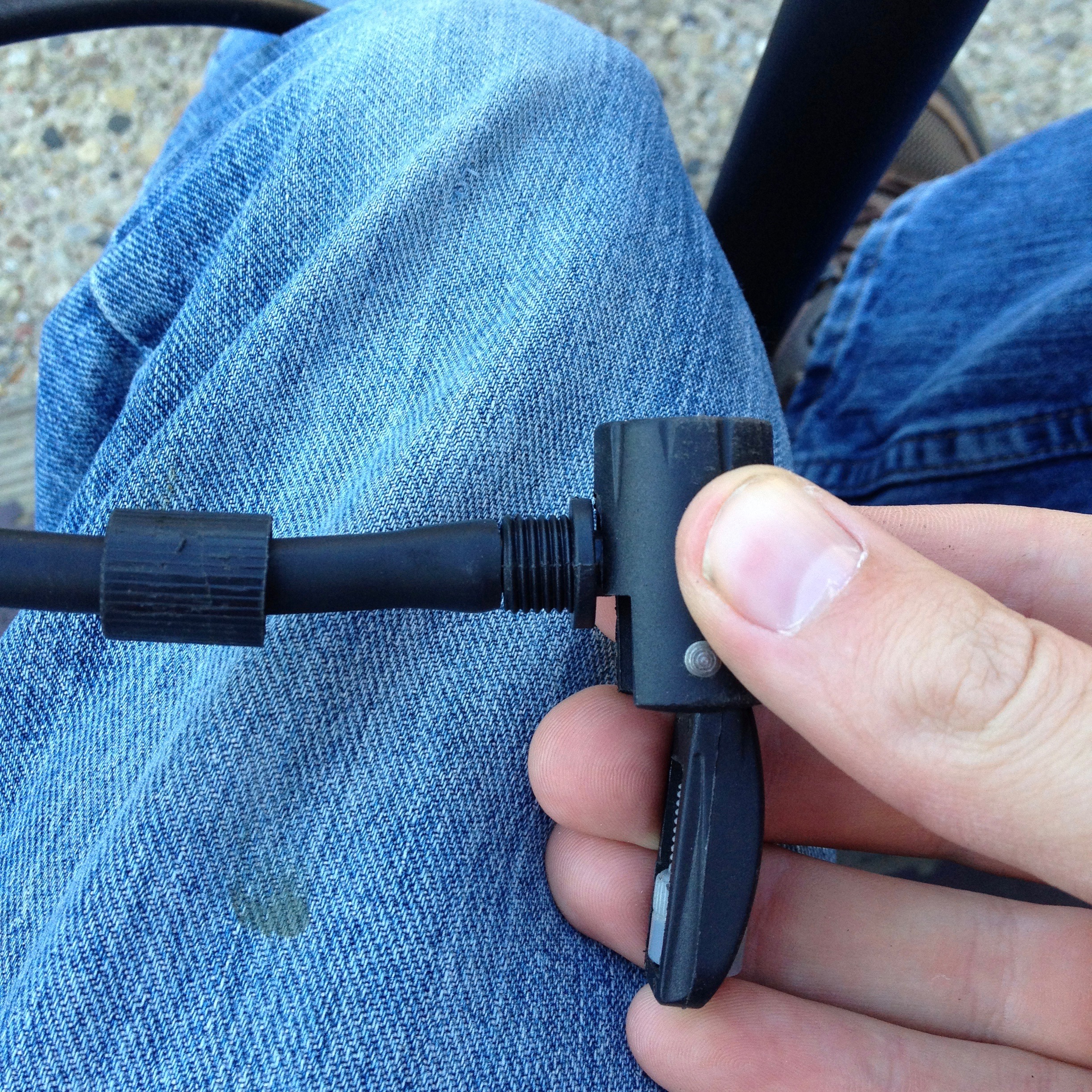
The rubber hosing had fatigued and snapped off by the chuck.  My first thought was to toss the whole thing and go to the store for a new one, but like the mower last year, I realized that was stupid and it was indeed a simple fix.

By unthreading the collar and cutting off the bad section of tubing, I was able to reconnect the hose to the chuck.

IMG_8114

It is good as new and I saved $10-20 in the process.

You may be thinking to yourself, what’s the big deal about a $10 bicycle pump, it isn’t that much money.  The important takeaway from this is the mentality.  If you regularly repair and extend the useful lifespan of simple everyday objects then you are more likely to do the same for expensive items as well.

Case in point, I just spent this morning upgrading my work computer to the latest operating system.  The computer hardware is not officially supported.  I could have taken the consumerist attitude and spent $2,000 to buy new supported hardware that met my business requirements or I could take the frugal mindset and extend the life of perfectly capable hardware for a total of $0 (plus an evening and morning of tinkering around).

Repointing a Basement Wall

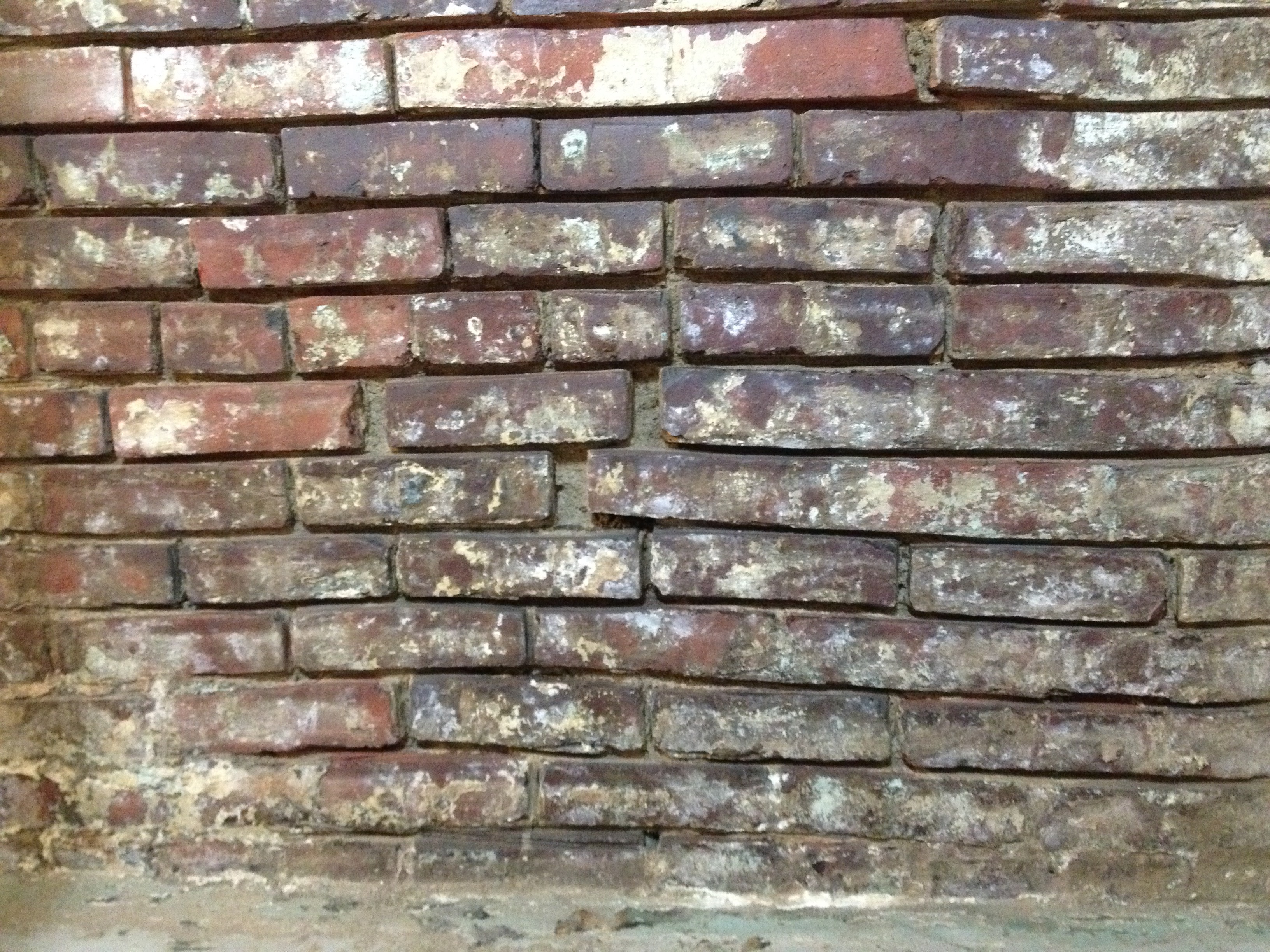
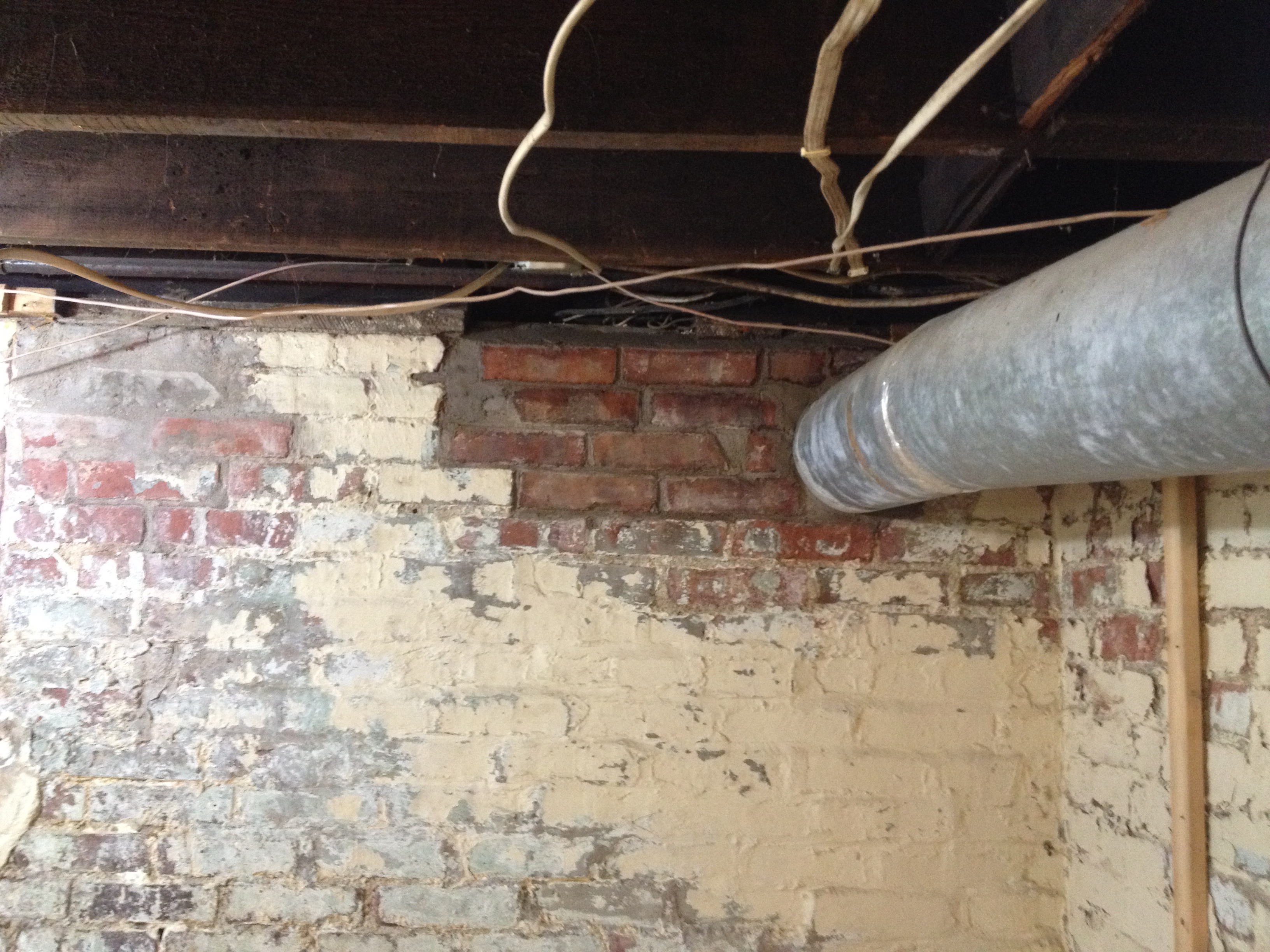
Our 1905 house has a brick foundation.  Brick is a great building material that lasts for centuries, but it does require periodic maintenance.  The mortar holding the bricks together is typically made of sand, cement, and lime.  Old houses, pre 1900, had lime and sand mortars.  Cement based mortars did not become mainstream until around 1930.

Due to water intrusion, some areas of the mortar have disintegrated.  This happens because the water passes through the mortar and dissolves the lime bonding agent.  What is left behind is just the sand and that can be raked out easily with ones finger.IMG_7562Removing the old mortar is not that difficult of a job.  I used a 4 1/2″ angle grinder with a diamond tipped tuck pointing blade ($35 at Menards).  Be sure to wear plenty of protective gear because it will be a dirty and loud job.

IMG_7564

After doing a 3’x2′ test section of wall and switching out batteries 8-9 times, I ordered a corded grinder off CPOOutlet.com.  You can get good deals on reconditioned tools that are just as good as brand new.

IMG_7592

For the replacement mortar, I chose to mix up a type O mortar.  The following table from lime.org shows the mortar specifications.

Screen Shot 2015-07-29 at 8.50.53 AM

Type O mortar has less compressive strength than the other more popular mortar mixes (M, S, and N) because it has less portland cement and more lime in it.  Lime fell out of favor with builders around 1930 because it took longer to cure than cement and it had lower compressive strength.  Lime based mortars are more flexible, self healing, and direct water better than cement heavy mortars.

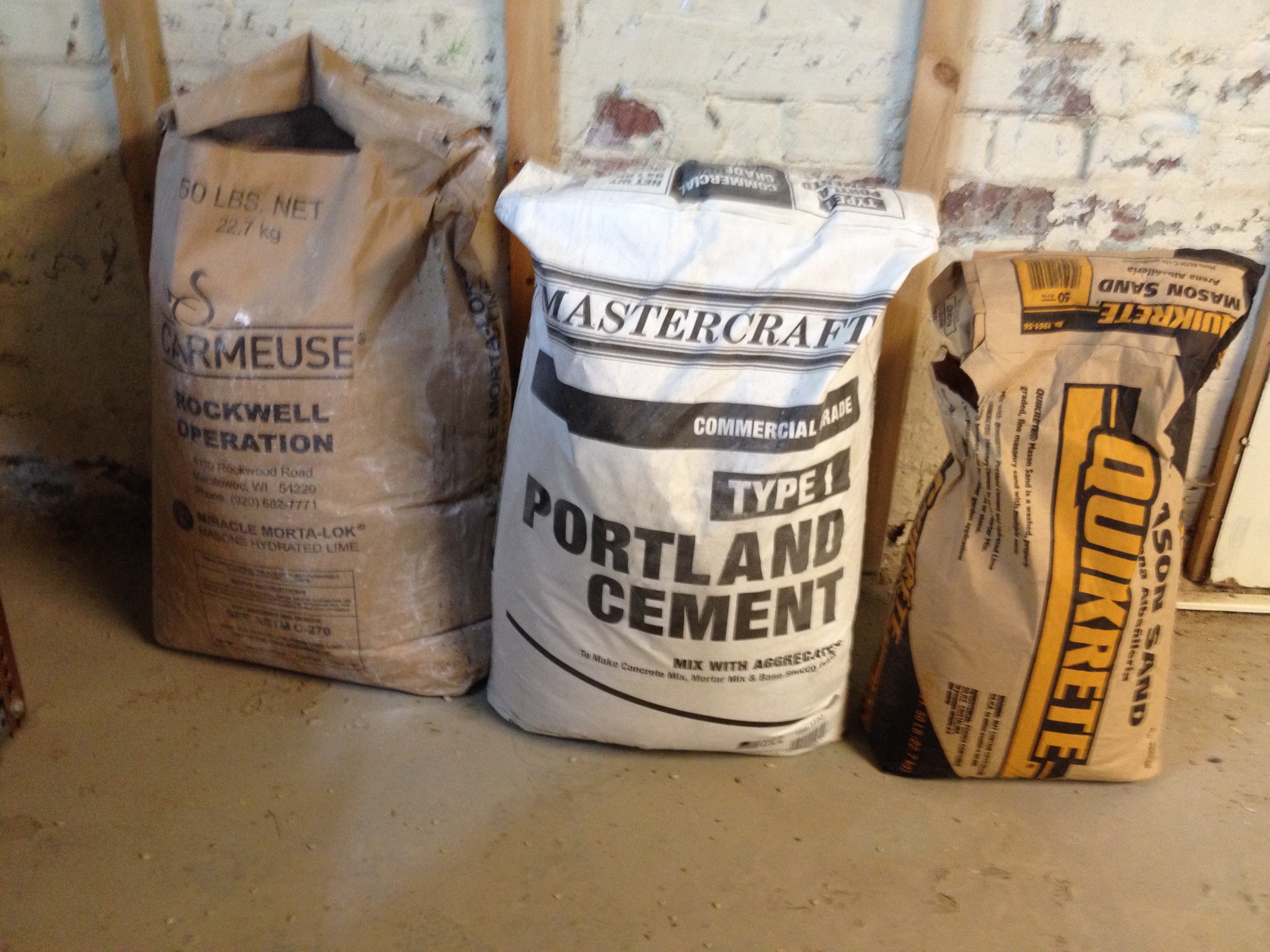
Big box stores do not carry Type O mortar, but you can make your own with three simple ingredients.  Type S hydrated lime, portland cement, and masonry sand are the only ingredients that you need to make up any mortar mix.

IMG_7593

I am happy with how this test section of wall turned out.  With any luck, the new mortar will last 50 years before needing replacement.

IMG_7599

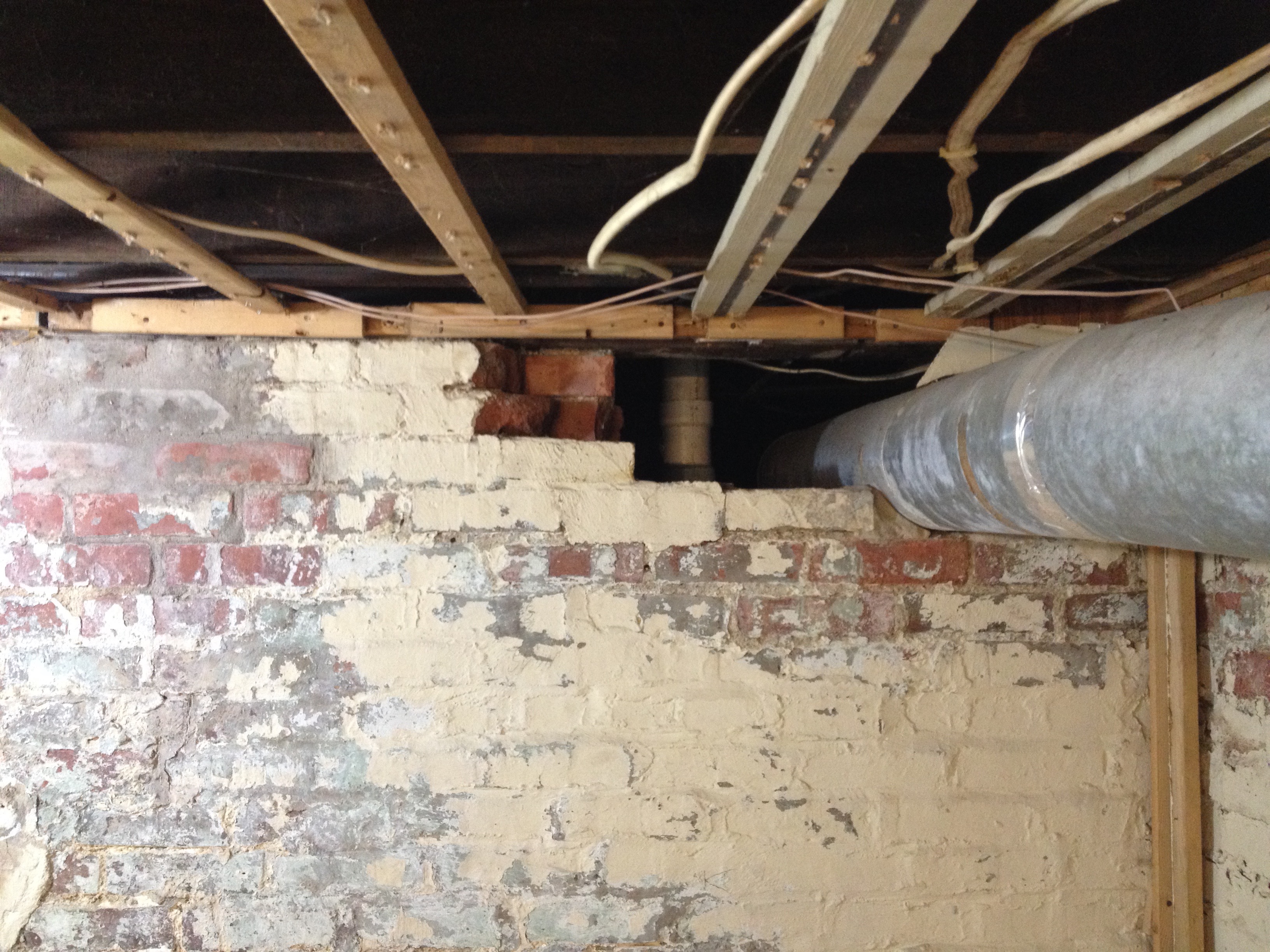
I did not want to start another section of tuck pointing until the corded grinder arrives.  I was able to cross another masonry job off my list by patching up the gaping hole left by a previous owner / HVAC contractor in the north wall.

IMG_7588

Why they didn’t spend half an hour to make this look nice is beyond me.

IMG_7596


[UPDATE]

After being gone for a long weekend we came back and noticed that the basement walls/floor in the north west corner were damp (as usual) except in the area that I repointed the mortar.  That was bone dry!

Throwing an E-Yard Sale

Growing up, I remember my parents doing one yard sale.  They probably did a lot more than one, but only one made an impression.  We set up every folding table we had in the yard.  Laid boards between them to make extra space and labeled dozens of well-loved trinkets for sale.  Bargain hunters trickled through and we sold a tiny portion of what we had set out.  Then we had to haul it all back into the house where it sat and sat, and sat, and sat.

Somewhere in my life journey a switch flipped and the thought of clutter became unappealing.  I grew up in a three bedroom house with five siblings.  Clutter was unavoidable, but now that I have a choice in the matter, I am a clutter phobic.  Thankfully, Shae is also a clutter phobic and we actively work to keep our house clutter free.

So what is clutter?  My general rule of thumb is that every item must serve some purpose and have been used within the past year.  If a box hasn’t been opened in over a year, its contents are clutter.  The box itself is clutter.  The whole shebang must go.

Last week we were both feeling a strong itch to clean out some of the detritus so I set aside an hour a night to go through a dresser (misc electronics, stationery, etc.) drawer by drawer.  Shae went through several boxes in the attic.

I generally make four or five piles as I sort through a box.

  1. Recycling
  2. Give Away
  3. Sell
  4. Trash
  5. Keep

If at all possible, I like the piles to go from largest to smallest in that order.

Recycling and giving away are nice because it diverts material from landfills.  At the same time, I make a conscious effort not to bombard family and friends with stuff.  Do my nieces and nephews really NEED temporary tattoos or 10 beanie babies.  Probably not, that is just making more work for their parents.  Some items are valuable but no longer used, I’ll get to that in a second.  Finally there is always something that can be thrown away.

In the course of a week, we set aside a number of sellable items with the intention of having an E-Yard Sale.  Shippable niche items were listed on eBay, the popular online auction site.  Larger general items were listed locally on Craigslist.

On eBay, I sold 2/3 items that I listed.  I sold an old graphics card for $59 and a set of RAM modules for $20.  A brand new A/C pressure switch for our old Nissan Altima did not sell and was tossed in the trash at the conclusion of the sale.ebayI sold 1/2 items listed on Craigslist.  I had picked up a pair of end tables off the curb while walking around our neighborhood.  I sold them for $35 to a woman who was ecstatic to get them at that price.  The folding tv tray table has not sold yet, but Shae might have found a buyer through a different classifieds website.

All told, I made over $100 by cleaning out some clutter from our house.  Shae has made over $40 so far and still has some big ticket items pending.  We also have three large boxes of toys, books, and misc crud that we will be donating to charity.

It feels so good to clean out our house.  Working through sentimental attachments can be difficult, but donating to charity makes it easier.  Isn’t it better to let someone else enjoy an item than to let it sit unseen in a box or drawer for years?  Focusing on selling only items worth $10 or more online is also easier than setting up an entire conventional yard sale.  You can set up an E-Yard Sale in your underwear!